
Save Money
Gas Saving Tips: How to Cut Fuel Costs When Prices Spike in 2026

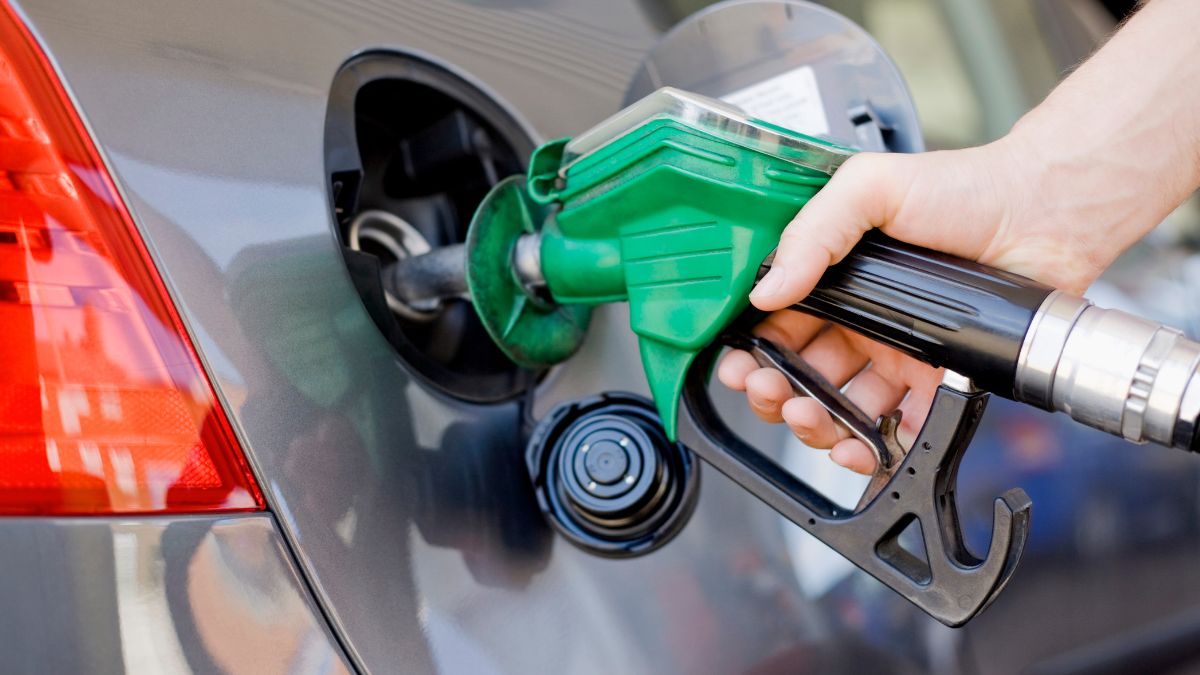
Gas prices in the U.S. are already rising as global oil markets react to tensions in the Middle East, especially after recent military strikes involving the U.S. and Iran that disrupted energy infrastructure and major shipping routes. Crude oil prices have jumped, so the average cost per gallon of gasoline has been rising quickly since last week.
How can you save on gas before prices go even higher? Let’s go over some practical strategies you can use now to lower fuel costs, whether you’re commuting, road-tripping, or just trying to keep your budget in check.
Here’s a breakdown of cost-effective gas-saving tips that can work.
1. Find the Cheapest Gas Near You
Since not all gas stations charge the same price, it’s worth your time to look into which stations offer lower prices in your area.
You can use apps like GasBuddy, AAA’s app, or your favorite gas station’s app to see prices in your area. Since I typically use my T-Mobile perk of 10-20 cents off per gallon at Shell, I use the Shell app to find the lowest-cost station.
You can also avoid stations right off the highways or near busy intersections, since these areas often jack up prices.
And if you’re planning a longer trip, research typical state-by-state price trends to fill up before crossing into a more expensive state.
It may not seem like much, but saving a few cents per gallon adds up quickly over time!
2. Join Rewards and Loyalty Programs
Gas stations, grocery stores, and even some credit cards can offer fuel discounts.
- Many stations have free loyalty programs that give you lower pump prices or points redeemable for discounts.
- Grocery stores like Kroger and Safeway link fuel savings to your grocery purchases
- Some credit cards offer cash back or bonus points on fuel purchases. Just make sure to pay off the balance each month.
- Warehouse clubs like Costco or Sam’s Club often sell gas at prices below local averages for members
Stacking these programs can add to the savings with every fill-up.
3. Pay Less Per Gallon with Cash or Debit
Some gas stations offer a cash price that’s cheaper than the credit card price to avoid credit card processing fees.
You could save up to 5-10 cents per gallon by paying with cash or a debit card. And if the cash price isn’t listed outside (rare, but sometimes it isn’t), ask inside, since it can get you discounts you might have missed.
4. Drive More Fuel-Efficiently
Your driving habits make a huge difference in how far a tank of gas goes.
- Driving at steady speeds and avoiding rapid acceleration can improve gas mileage
- Slowing down just a bit on the freeway can significantly boost fuel efficiency
- Avoid excessive idling because your car burns fuel even when stopped
- Properly inflated tires can improve gas mileage and help your car last longer (look at the sticker inside your driver-side door for your car’s recommended tire pressure)
If going on longer trips, consider using adaptive cruise control or fuel-efficiency feedback features if your car has them.
5. Carpool, Combine Trips, or Use Less Driving
Reducing overall driving is one of the most effective ways to cut fuel costs, so consider carpooling with coworkers or neighbors, as sharing rides can split fuel costs and reduce wear and tear.
You can also plan errands strategically so you don’t make multiple short trips, since shorter, combined outings use less gas than several separate ones. And whenever possible, use public transit, bike, walk, or schedule remote work dates to lower your fuel usage.
When you drive less, you have fewer fill-ups and lower monthly gas spending.
6. Choose the Right Routes and Times
Idling burns significant gas, so choose fuel-efficient routes that avoid heavy stop-and-go traffic. And if your region has daily price fluctuations, some drivers report that buying early in the week or early in the day can get better prices, though this varies by market.
7. Keep Your Vehicle Maintained
A well-maintained car uses fuel much more efficiently, so keep track of regular oil changes and air filter replacements to keep your engine running smoothly. As mentioned before, under-inflated tires can also reduce your gas mileage by a few percent, so keep your tire pressure topped up. And extra cargo in the car can reduce efficiency, so remove any unnecessary items that add weight.
The Money Move
You can’t control global fuel markets, but you can control how much gas costs you when you comparison shop, join rewards programs, pay strategically, drive smarter, and reduce how much you drive.
These habits save money in the short term and build a good fueling habit that can protect your budget when gas prices inevitably spike further in 2026. Bookmark this gas saving tips article so you can refer back to it whenever needed!
